The Psychology of Gym Pricing: Why Low-Cost High-Volume Gyms Work for You
2026-08-15 · 8 min read
How the high-volume low-price (HVLP) business model allows top fitness centers to buy multimillion-dollar equipment while charging $10/mo.
The High-Volume, Low-Price (HVLP) fitness model operates like commercial airlines: high membership volume finances massive square footage and cutting-edge machinery. By signing thousands of members at a low monthly rate, a budget gym collects enough revenue to fund a facility that would be unaffordable if priced for a small membership base. Understanding this model explains why a $10 gym can have better equipment than a $100 club, and it helps you choose a membership that fits your actual needs.
Dedicated members benefit enormously because budget gym dues stay predictable while facilities continuously update cardio consoles and strength lines. The high-volume model depends on a large base of members who rarely attend, whose dues subsidize the members who do. If you are a regular user, you are effectively getting a premium facility at a fraction of its true per-user cost, which is the core economic advantage of the HVLP model.
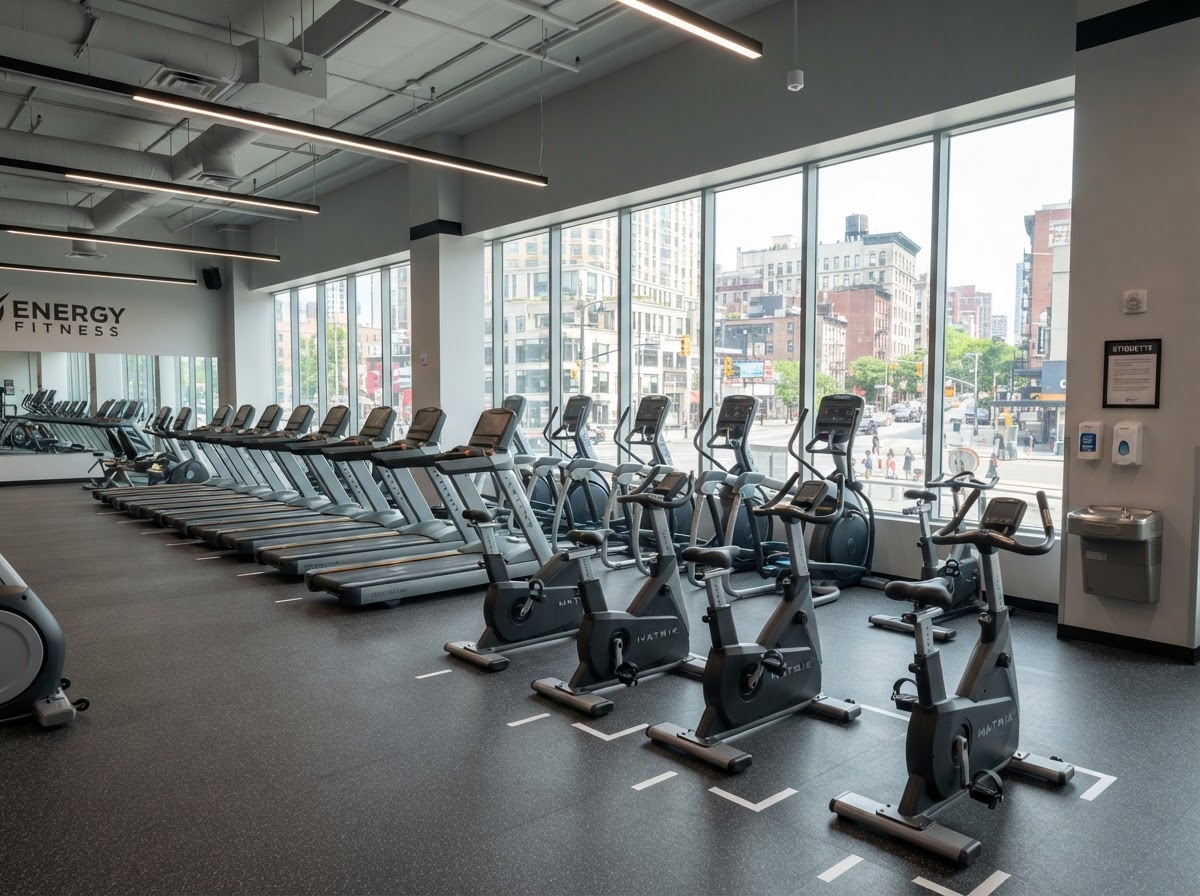
The model also drives equipment investment. Because a budget chain can afford to equip large floors with the latest machines, the training experience for an active member can rival or exceed a boutique club. The trade-off is crowding at peak hours, but for members who can train off-peak, the equipment access is exceptional. If your schedule allows mid-morning or late-night workouts, a budget gym offers premium equipment at a budget price.
By establishing a consistent routine and avoiding rush-hour bottlenecks, savvy budget gym members enjoy $100/mo fitness club experiences for under fifty cents a day. The key is consistency and timing. A member who trains at 5:30 AM or 9:00 PM gets an uncrowded floor with top-tier equipment, while a member who trains at 6:00 PM fights the crowd. The price is the same, but the experience differs based on when you go.
Understand the tier structure. Most HVLP gyms offer a base tier and one or more upgrade tiers. The base tier includes the floor and cardio; upgrades add amenities like massage, tanning, or guest privileges. Choose the tier that matches your routine rather than defaulting to the highest, since paying for amenities you do not use erodes the value that makes the model attractive.
Consider the long-term economics. A $10 monthly membership over five years costs $600, while a $100 membership costs $6,000. If the budget gym meets your needs, the savings compound dramatically. Even if you occasionally supplement with a boutique class or a personal trainer, the total spend is far lower than a premium membership, and the flexibility to adjust your spending month to month is a major advantage.
Recognize the social element. Budget gyms attract a wide range of members, from beginners to serious athletes, which creates a less intimidating environment than a specialized studio. For beginners especially, a welcoming, diverse membership base can make starting a fitness routine less daunting. The HVLP model's broad appeal is part of why it has grown so rapidly.
Finally, the model succeeds for the gym and the member when both understand the value exchange. The gym counts on volume to fund the facility, and the member counts on low dues to sustain a long-term habit. For most people, a budget gym used consistently delivers better health outcomes than a premium gym used sporadically, which is the ultimate case for choosing the low-cost option that fits your life.
Find an affordable gym near you
Browse our directory of budget gyms and low-cost health clubs across the US and Canada.

Related Fitness Guides
How to Find and Choose the Best Gym Membership Under $15/Month
Discover what national and regional low-cost gym chains offer in basic dues, and how to avoid hidden annual maintenance fees.
Hidden Fees in Budget Gym Contracts: The Complete Buyer's Checklist
Learn about enrollment surcharges, rate-guarantee fees, cancellation rules, and how to negotiate zero down on budget memberships.

Cross-Border Fitness: Navigating US & Canada Gym Chains with Global Passports
How business travelers and snowbirds can use reciprocal membership privileges across United States and Canadian fitness locations.