Virtual Fitness Studios: How On-Demand Kiosks Revolutionize Budget Workouts
2026-08-28 · 6 min read
How 24/7 on-demand video screens inside empty studio rooms deliver private spin, dance, and core training whenever you want.
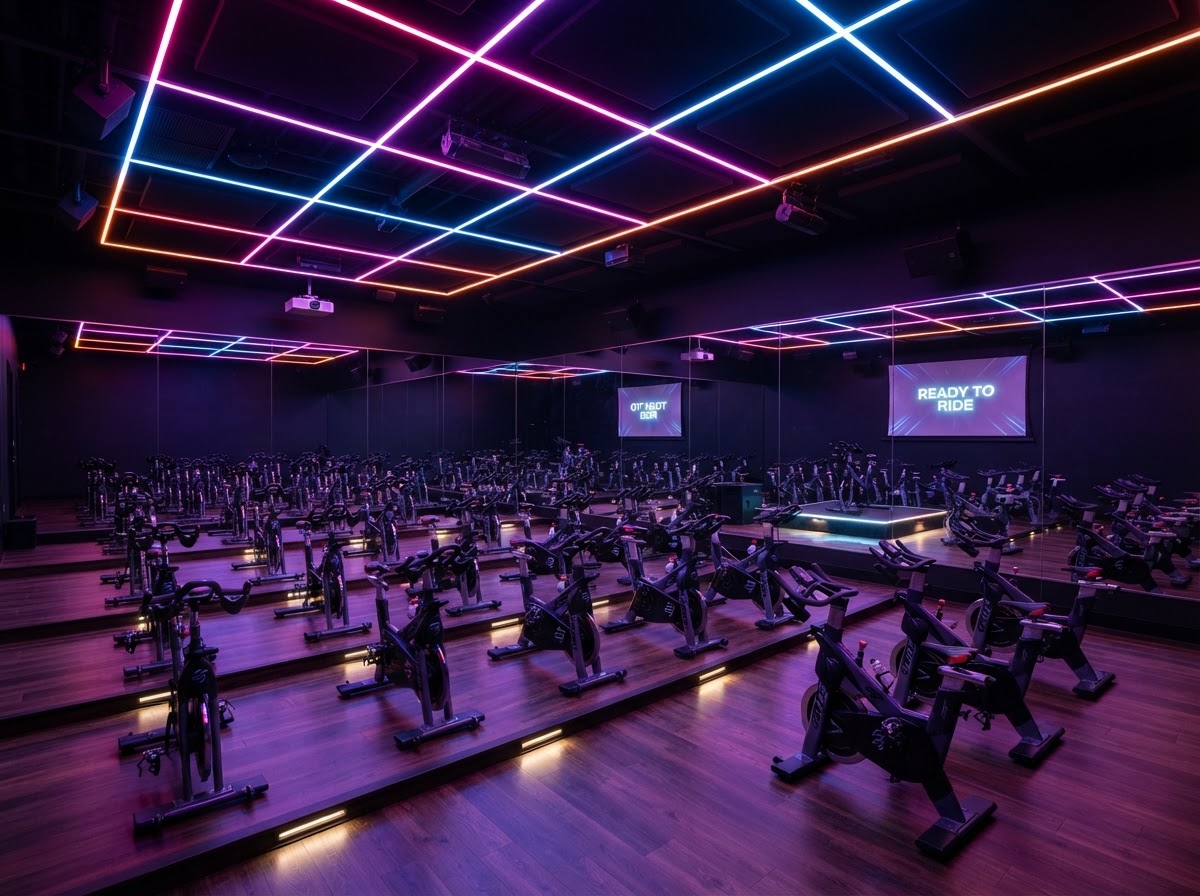
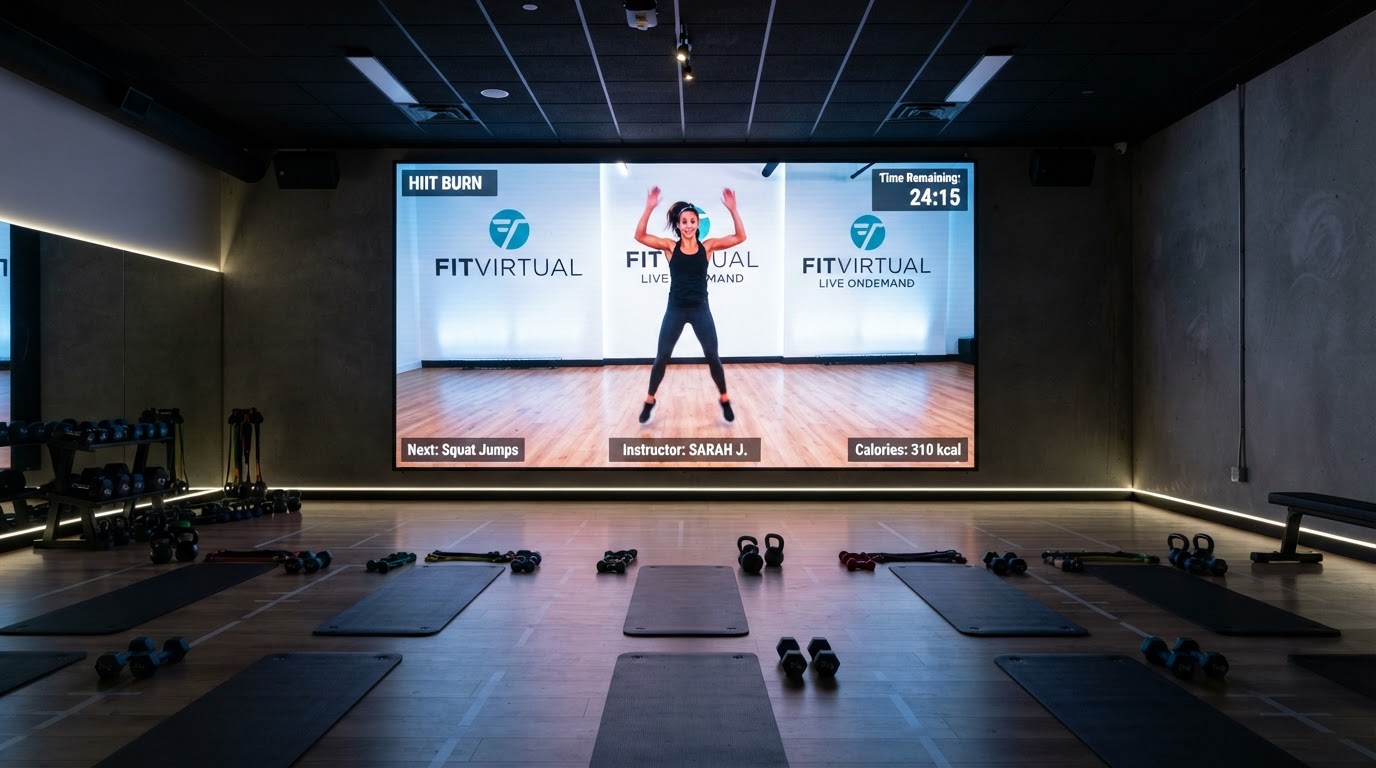
Many modern value clubs feature automated touchscreen kiosks connected to projection displays in secondary studio rooms. These virtual fitness stations let members launch guided workouts on demand, turning an empty studio into a private class at any hour. For people whose schedules do not align with live class times, virtual studios extend the value of a budget membership into the hours when the gym is otherwise unstaffed.
Members can launch Les Mills BodyPump, virtual cycling journeys, or guided meditation sessions at any hour of the day or night. The library of available classes is often extensive, covering strength, cardio, mind-body, and dance formats. Because the content is on-demand, you choose the duration and intensity that fits your available time, rather than conforming to a fixed live schedule.
This provides the structure and motivation of group instruction even during late-night or midday shifts when live instructors are unavailable. For shift workers, parents who train after bedtime, or anyone who prefers a solo session, virtual studios offer the guidance of a class without the crowd. The format also suits people who feel self-conscious in live classes and want to build confidence before joining a group.
Consider the equipment available in the virtual studio. A virtual cycling class is only useful if the studio has bikes. A virtual strength class needs the right weights and benches. Tour the virtual studio and confirm the equipment matches the class library so you can actually follow along rather than improvising.
Evaluate the content library. Some gyms partner with major fitness brands like Les Mills, offering hundreds of classes across formats. Others have a smaller in-house library. If you plan to use virtual classes regularly, a larger library prevents burnout from repeating the same sessions. Ask the front desk for a class list or try the kiosk during a tour.
Check the audio and display quality. A virtual class is only as good as its screen and sound. A dim projector or quiet speakers make it hard to follow cues, especially in a larger studio. Test the system during a visit and note whether the volume and visibility are adequate for a focused workout.
Use virtual classes to supplement, not replace, live instruction when you need form feedback. On-demand content cannot correct your technique, so if you are learning a new modality, pair virtual sessions with an occasional live class or a personal training session to ensure your form is safe. Virtual is best for experienced movers who need structure and motivation rather than instruction.
Finally, treat the virtual studio as a scheduling tool. If your available hours fall outside the live class schedule, virtual content keeps you consistent rather than skipping workouts. For a budget membership, that added flexibility can be the difference between a membership you use and one you pay for but ignore, making the virtual studio one of the highest-value amenities in a modern value club.
Pair virtual sessions with a simple tracking habit. Logging which classes you completed and how you felt turns on-demand content into a structured program rather than random workouts. Over a few months, that record shows your progress and keeps you accountable, which is the main benefit people seek from a live class or a personal trainer, delivered through a screen at a fraction of the cost.
Find an affordable gym near you
Browse our directory of budget gyms and low-cost health clubs across the US and Canada.