Essential Strength Equipment Checklist: What Budget Lifters Should Demand
2026-09-02 · 7 min read
Inspect power rack ratios, cable attachments, adjustable benches, and turf tracks to ensure your low-cost gym supports serious progression.
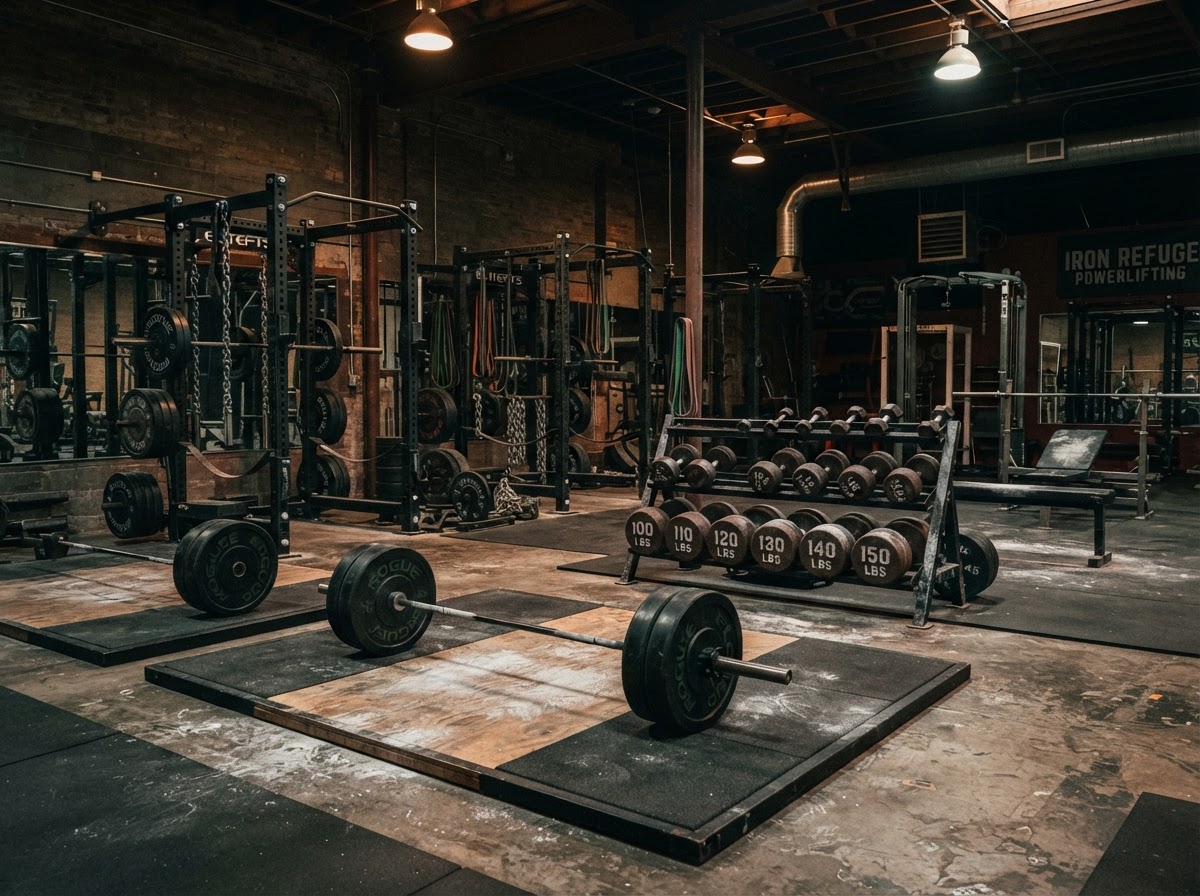
An effective strength gym needs a healthy ratio of squat racks to members—ideally at least one rack per 50 active peak-hour visitors. When racks are scarce, lifters wait, rush their sets, or skip exercises, and the training quality drops. Before joining a budget strength gym, visit during peak hours and count how many racks are in use versus how many are available. A gym that consistently has open racks is a gym that supports progression.
Beyond racks, inspect the bench press stations. A serious gym has both flat and adjustable incline benches, ideally multiple of each, so you are not limited to one setup. Adjustable benches that decline as well as incline expand your exercise options further. Test the stability of the benches, since a wobbly bench undermines heavy pressing.
Turf sprint tracks and prowler push sleds enable high-intensity conditioning and glute-ham rehabilitation without requiring boutique studio prices. A strip of turf along one wall, even a short one, lets you do sled pushes, farmer's carries, and dynamic warm-ups that are impossible on a crowded fitness floor. If your training includes conditioning, confirm the gym has usable turf and the sleds to go with it.
Test dumbbell knurling, cable pulley fluidity, and bench stability before committing to a long-term strength club contract. The feel of the equipment matters as much as the inventory. Dumbbells with worn knurling slip in sweaty hands, cable machines with sticky pulleys ruin the smoothness of a pull, and an unstable bench is a safety hazard under load. A single workout reveals these issues that a tour will not.
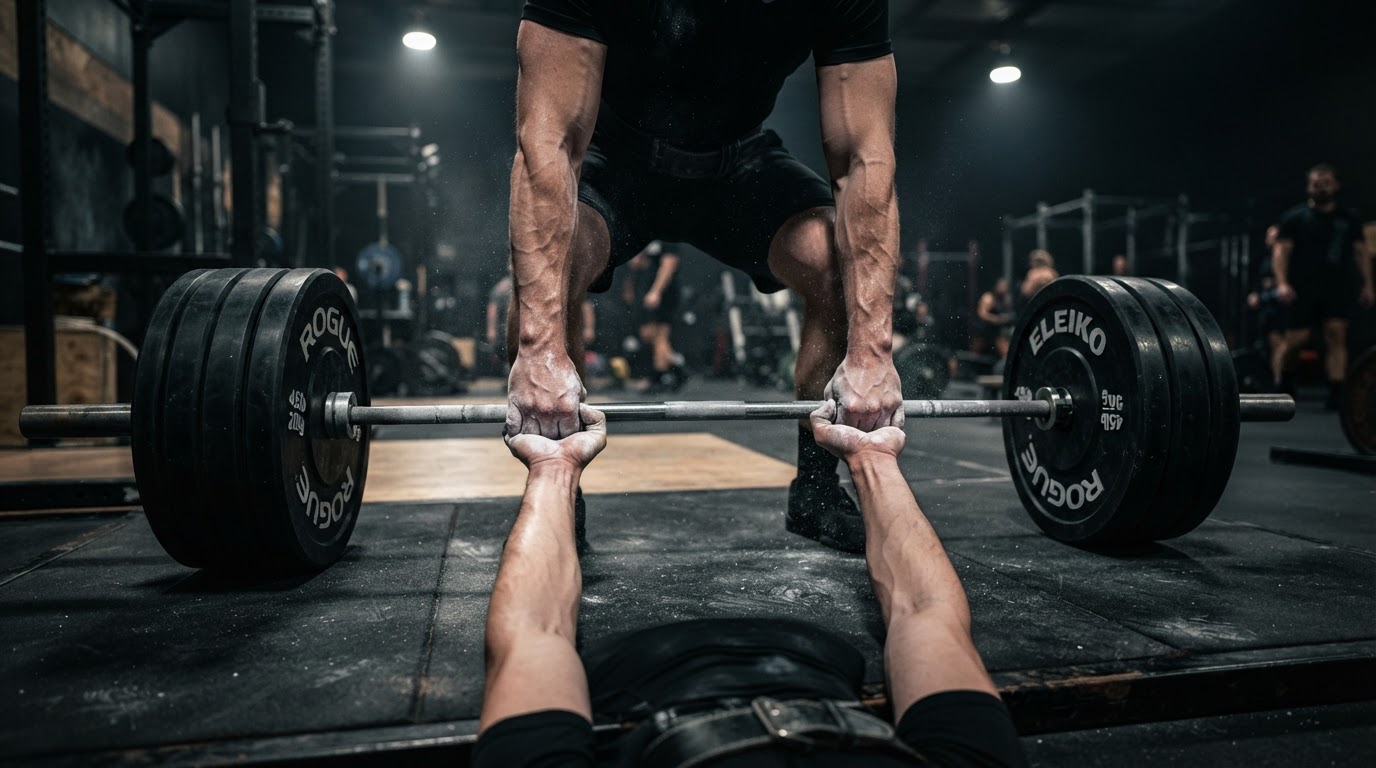
Check the plate inventory. A strength gym needs enough plates to load multiple bars simultaneously, especially the 45 lb plates that most lifters use. If the gym has only one set of bumper plates and three racks, you will spend your session hunting for weight. Abundant plates signal a gym built for lifters rather than casual users.
Look for specialty bars beyond the standard power bar. A deadlift bar, a safety squat bar, a Swiss bar, and a curl bar each serve different purposes and let you train around limitations or target muscles more effectively. A gym with only straight bars is adequate, but a gym with specialty bars is a gym that supports serious programming.
Evaluate the cable and functional training area. A functional trainer or cable crossover with a full set of attachments expands your exercise options for isolation and accessory work. Check that the cables move smoothly and that attachments like lat pulldown bars, rope handles, and ankle straps are present and in good condition.
Finally, consider the atmosphere for focused training. A strength gym should allow chalk, permit controlled drops, and maintain a climate that supports hard training. If the gym bans chalk, restricts deadlifts, or keeps the temperature at a spa-like level, it is not built for strength. The right equipment in the wrong environment still limits your progress, so demand both.
Look at how members treat the equipment between sets. Reracked weights, returned bars, and wiped benches signal a culture of respect that keeps the gym functional for everyone. A gym where plates litter the floor and bars sit loaded on the racks is harder to train in and often reflects weak management. The best budget strength gyms earn their reputation through member habits as much as through their equipment inventory.
Find an affordable gym near you
Browse our directory of budget gyms and low-cost health clubs across the US and Canada.